It has been a year since Israeli forces killed 22 Palestinians, including journalists and rescue workers, in a double strike on the Nasser hospital in Khan Younis, southern Gaza. No one has been held accountable.
Israeli officials claimed the target was a suspected Hamas camera on the roof of Nasser Hospital.
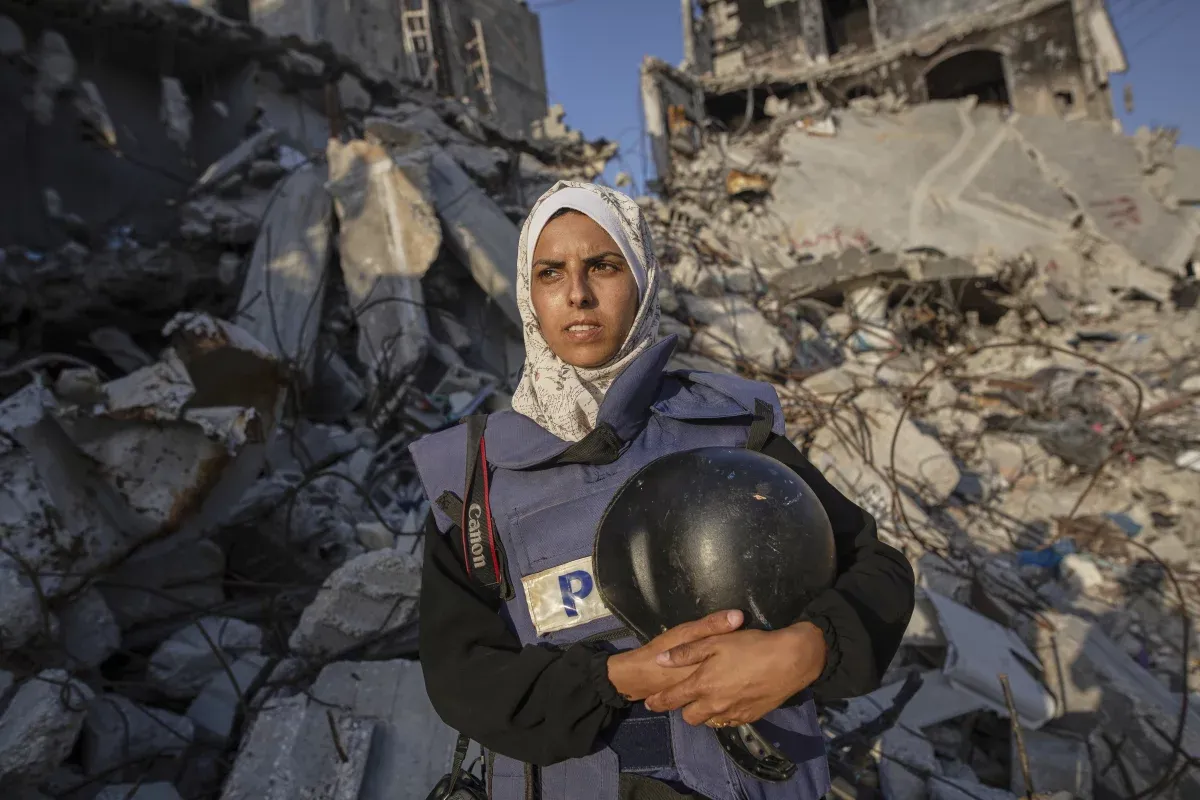
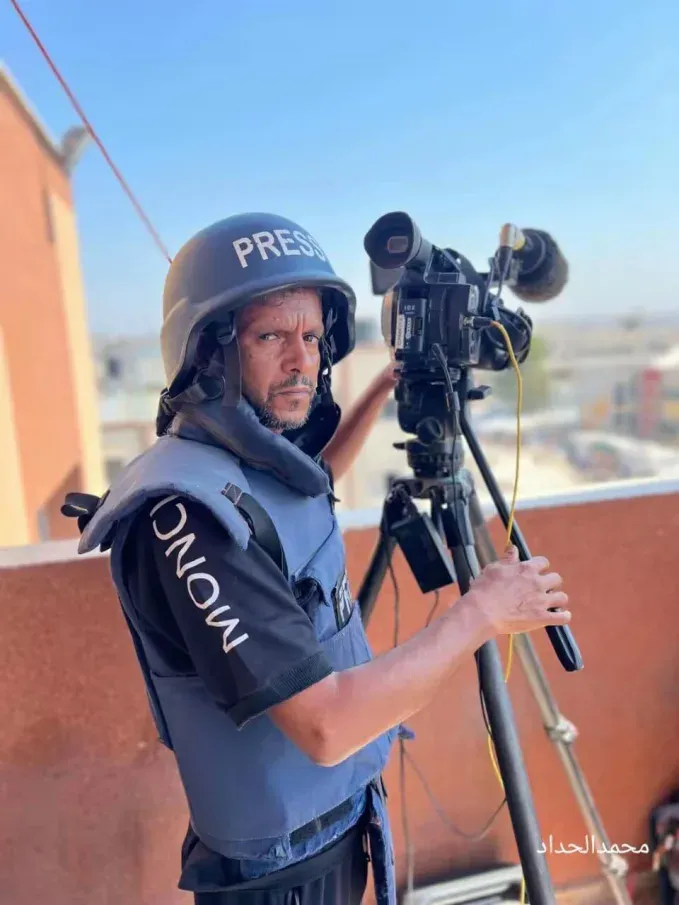
Among those killed were Reuters cameraman Hussam al-Masri and Mariam Dagga, a visual journalist who worked for The Associated Press and other news organizations.
One year later, Israel has not been held accountable. Rights groups say Israel rarely holds its soldiers accountable for killing Palestinians, pointing to long investigations that rarely lead to prosecution.
The Israeli military also claimed that six of those killed in the Aug. 25, 2025 strikes were linked to Hamas, without providing evidence as usual.
An Israeli soldier, speaking on condition of anonymity for fear of retribution, told the AP that the military could find no evidence linking the camera, which belonged to al-Masri, to Hamas.
The soldier, who was privy to discussions surrounding the military’s response, said none of the six was the intended target of the strikes.
Also, one of the six Israel said was linked to Hamas wasn’t on the hospital’s list of casualties and two others were medical or emergency personnel.
“A year later, we remain devastated by their deaths and are still searching for answers from the Israeli authorities about what happened,” the AP and Reuters said in a statement released on Tuesday.
Nasser Hospital was a vital location for journalists. News agencies like Reuters and AP supplied live video footage to newsrooms around the world from the hospital, one of the few functioning in Gaza at the time. AP repeatedly informed the army that its journalists were there.
The first strike killed al-Masri and another person.
As other journalists, including Mariam, and rescue workers rushed up an external staircase to help the wounded and document what happened, the military struck again, killing 20.
Based on footage and eyewitnesses, none was armed. In all, Israel struck the hospital four times using high-explosive tank shells.
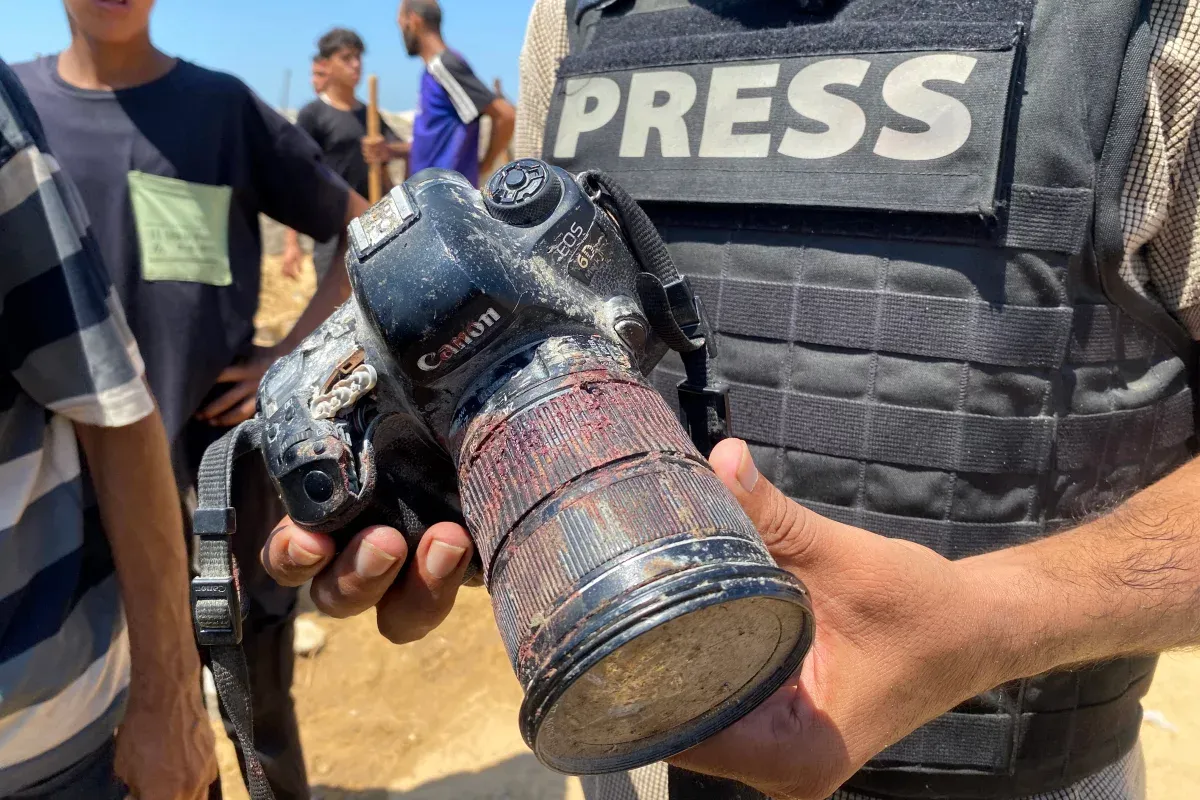
Israeli officials afterward said Hamas was using the camera to observe nearby troops. They alleged “suspicious behavior” around the camera, but the only example they gave was that a towel draped over the camera and the person filming appeared to be an effort at concealment.
Al-Masri routinely covered his equipment with a white cloth to protect it from the scorching sun and dust, and witnesses said Israel frequently observed the position by drone, including about 40 minutes before the attack, giving an opportunity to correctly identify al-Masri, according to the investigation by the Associated Press.
In the weeks before the strikes, al-Masri had broadcast live almost daily from the hospital's stairwell. Photographers and videographers used the building's external staircase for months to get a bird's-eye view of the city of Khan Younis. The AP had repeatedly informed the military that its journalists were stationed there.
It is common practice for video journalists around the world, including in Gaza, to use such high positions and to cover their cameras to protect them from the elements. Five journalists told the AP that he often used the cloth.
The soldier and a former military official with knowledge of the situation said a high-ranking army official initially approved use of a precision weapon to take down the camera, but an attempt by drone failed for unknown reasons. The former official spoke on condition of anonymity because they weren’t authorized to talk to the media.
The division commander then approved an alternative method, said the soldier, without saying what the method was. It’s unclear who made the decision to fire tank rounds, which can cause more damage than drone strikes.
The attack appears to have used high-explosive shells, rather than more precise weapons that might have reduced the number of casualties.
Since the start of the genocide in Gaza in October 2023, Israel has killed more than 260 Palestinian journalists and media workers to silence the Palestinian narrative. A report by Reporters Without Borders found that Israel killed more journalists in 2025 than any other country.
Israel has also barred foreign journalists from entering Gaza ever since the genocidal war on Gaza began with Israeli officials fear that international reporters will expose the catastrophic reality inside Gaza and fuel global outrage over war crimes and genocide reports.