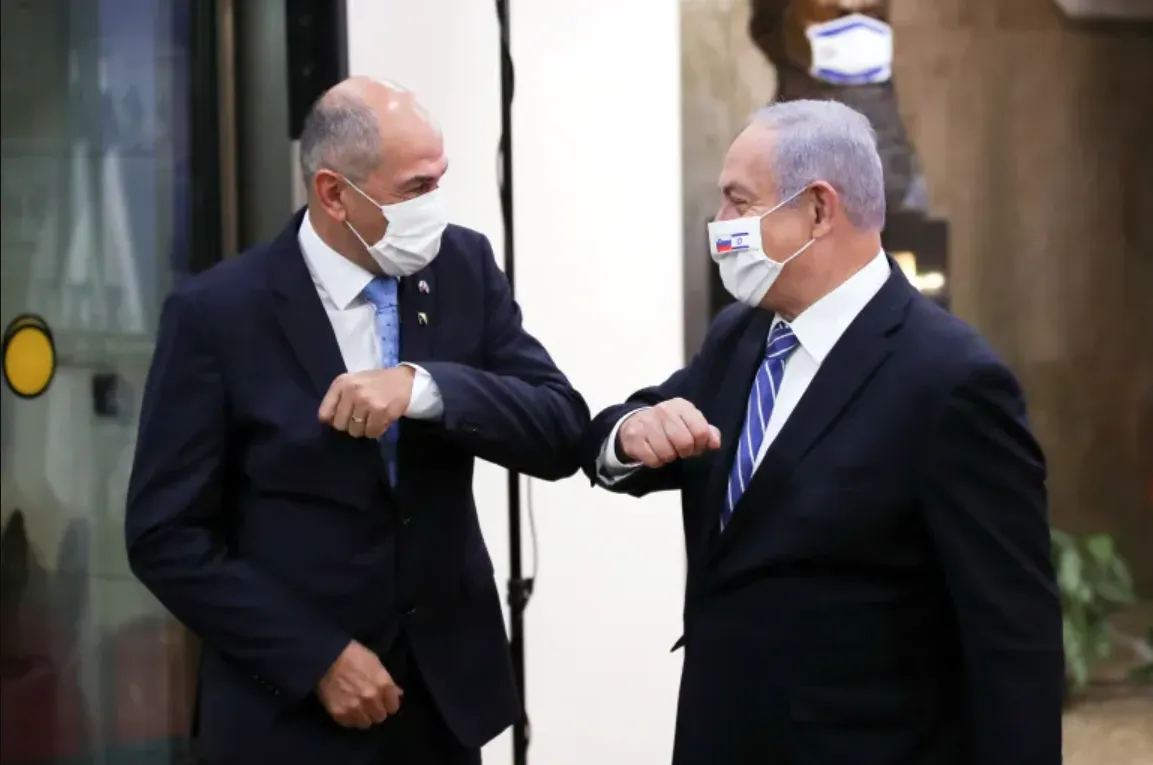
While Israel continues its genocide in Gaza, it has secured what may be its most significant European diplomatic victory since October 2023. Slovenia's newly elected far-right Prime Minister Janez Janša announced this week that his government will relocate the country's embassy from Tel Aviv to occupied Jerusalem, freeze Slovenia's recognition of Palestine, and restore full diplomatic ties with Israel. The announcements mark a comprehensive reversal of his predecessor's foreign policy and hand Israel a foothold inside the European Union it has been unable to secure since the genocide began.
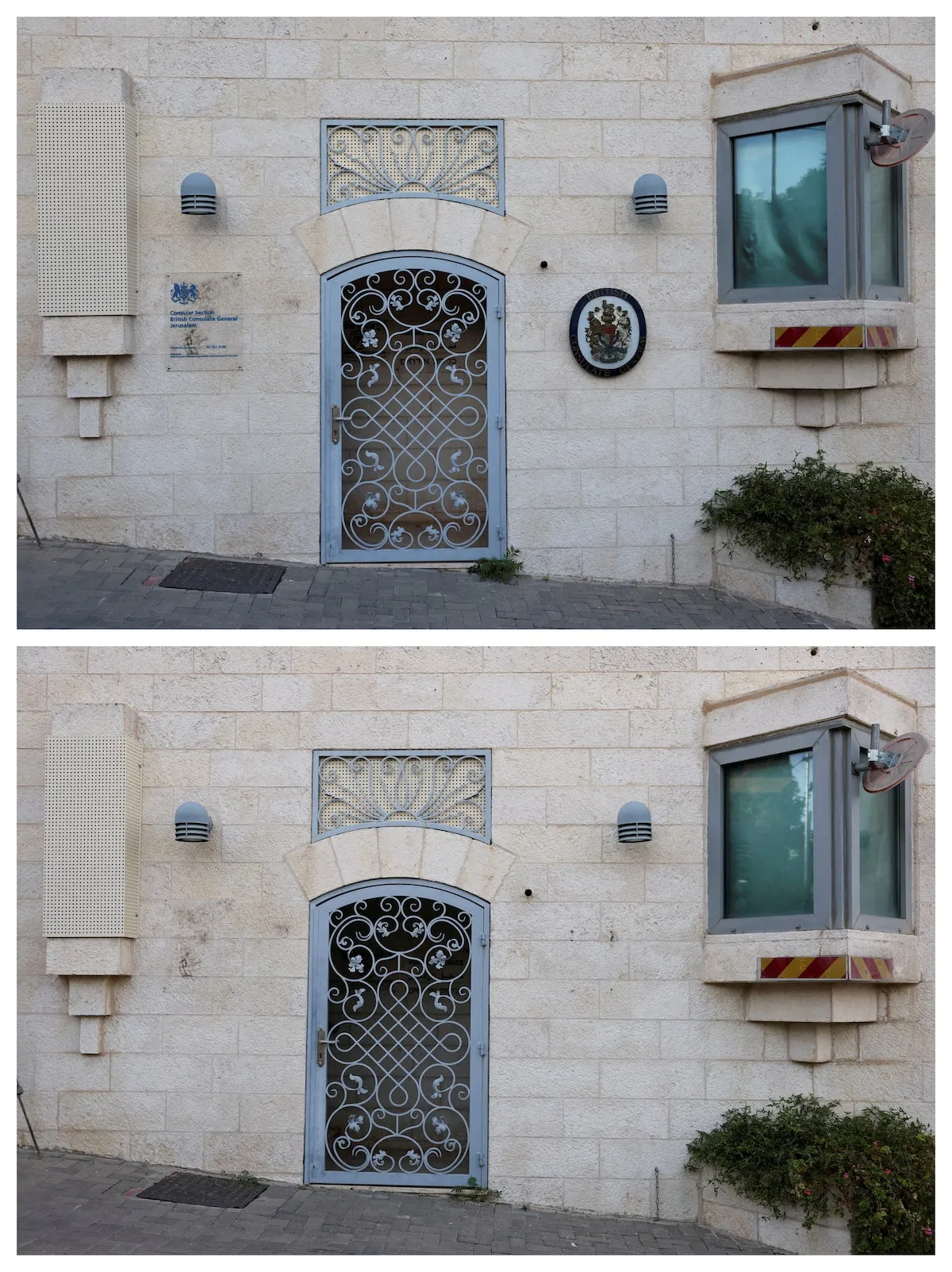
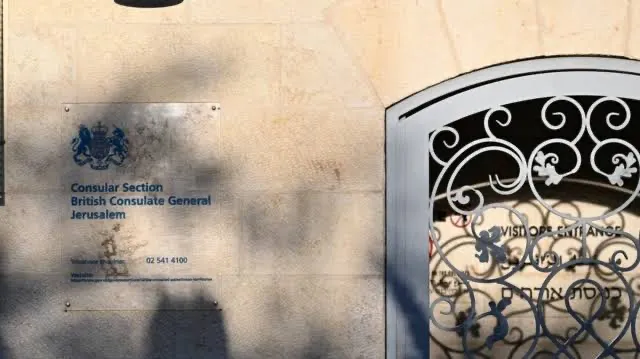
The move to occupied Jerusalem would make Slovenia the first EU member state to place its embassy there. Only a handful of countries worldwide have made that move, including the United States under Trump, Kosovo, Guatemala, and Honduras. The EU's collective position has long been that Jerusalem is a final-status issue to be resolved through negotiations, and that moving embassies there prejudges the outcome. Slovenia, under Janša, is preparing to break that consensus entirely.
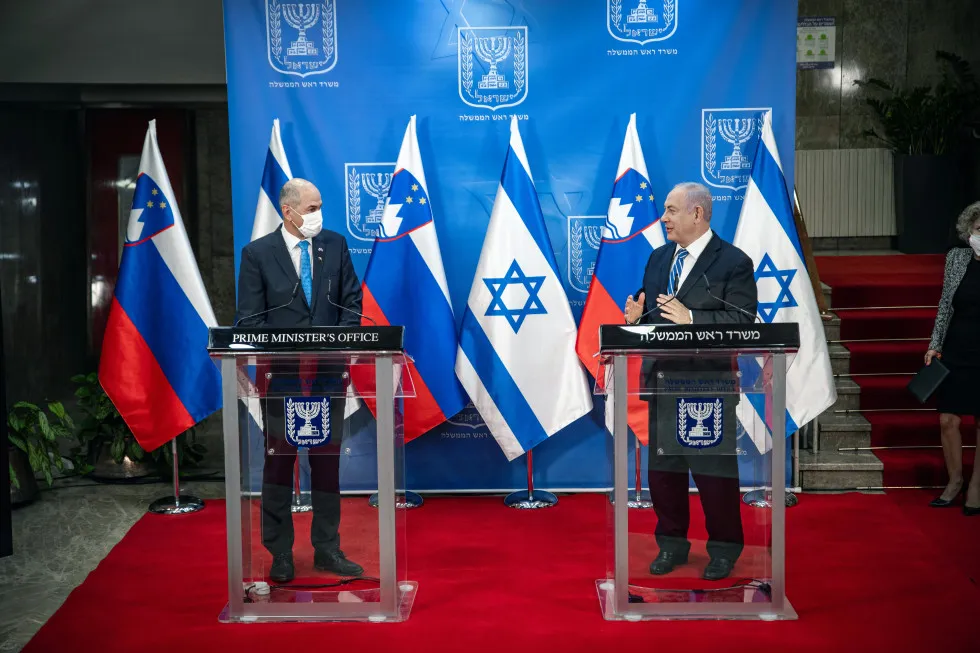
Slovenia's shift did not happen in a vacuum. Slovenian journalists and activists revealed contacts between Janša and representatives of Black Cube, an Israeli private intelligence firm founded by former Israeli intelligence officers known for conducting covert political operations. Slovenia's own intelligence agency confirmed that Black Cube operatives visited the country multiple times in the months before the 2026 parliamentary elections. Meetings involving Black Cube founder Dan Zorella and retired Major General Giora Eiland with Janša were reported.
What followed was a coordinated campaign of kompromat targeting the outgoing Golob government, including anonymous websites alleging corruption, fake LinkedIn profiles, and other covert tactics. Former Prime Minister Robert Golob requested a European Commission investigation into alleged foreign interference in Slovenia's democratic process.
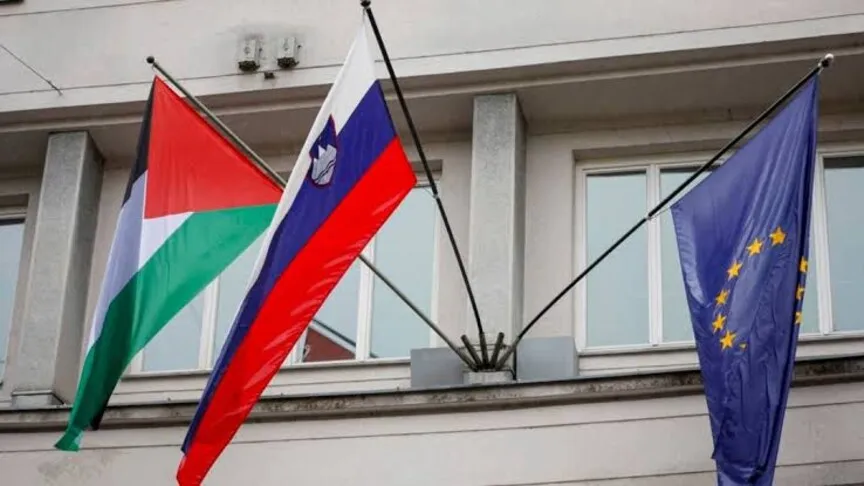
The result of those elections brought Janša back to power. Within minutes of his government receiving parliamentary confirmation in early June 2026, the Palestinian flag was removed from the government palace and replaced with Slovenian, EU, and Ukrainian flags. The entry bans on war criminal Netanyahu and far-right ministers Itamar Ben-Gvir and Bezalel Smotrich were lifted. The arms embargo on Israel was revoked. And Israel's Foreign Minister Gideon Sa'ar, who had been managing Slovenian affairs from Vienna, announced Israel would open its first-ever resident embassy in Ljubljana. Sa'ar described Janša as a "clear and steadfast friend of Israel" and called the developments the start of a "new chapter."
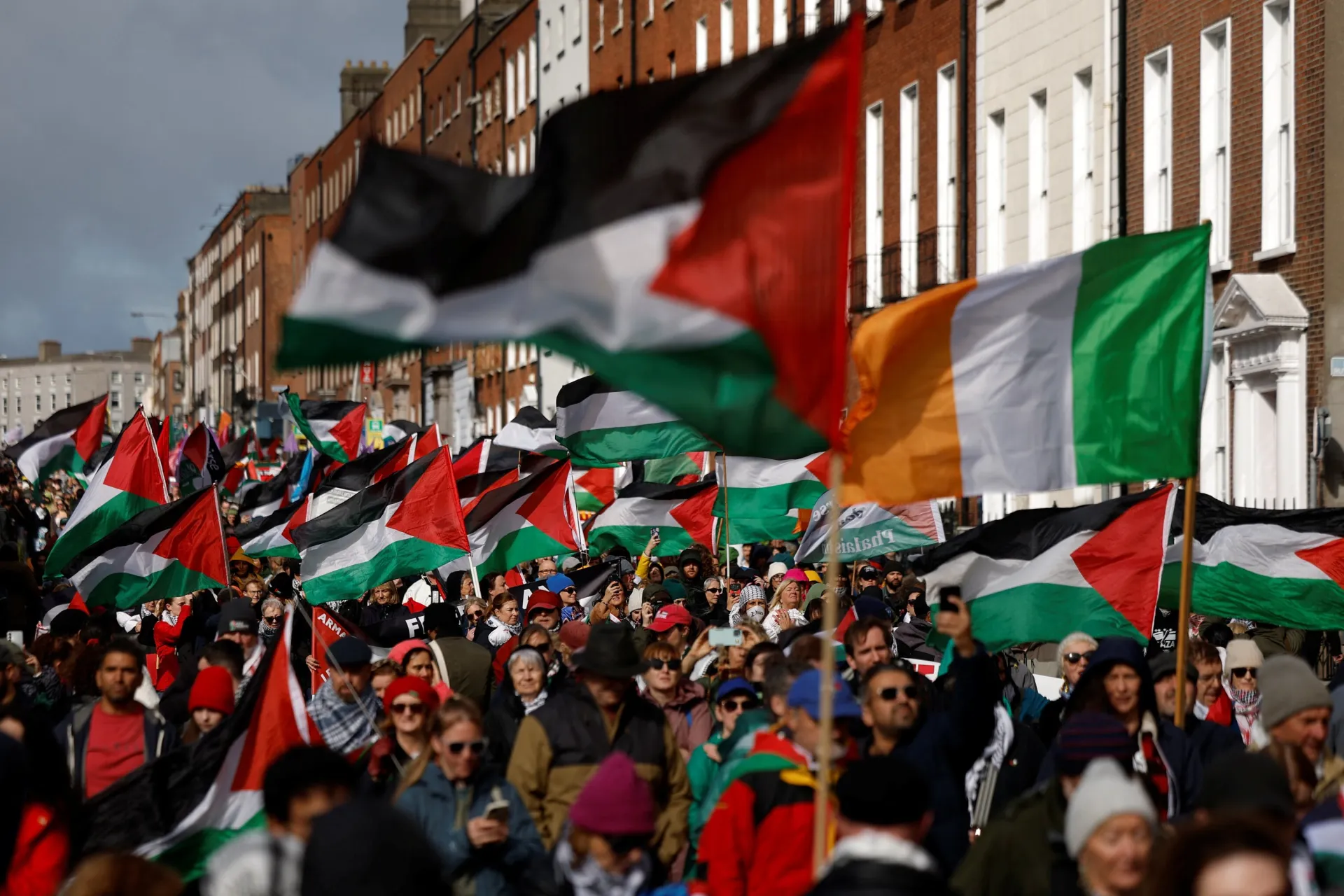
To understand the scale of the reversal, it is necessary to look at what Janša is dismantling. Under former Prime Minister Robert Golob, Slovenia had become one of the most vocal critics of Israel in the European Union. In May 2024, Slovenia formally recognized Palestinian statehood alongside Spain, Ireland, and Norway. The Palestinian flag flew from the government building in Ljubljana. Slovenia imposed an arms embargo on Israel, introduced travel bans on Israeli far-right ministers, and the public broadcaster RTV Slovenia boycotted the 2026 Eurovision Song Contest over Israel's participation. Janša called all of this "crazy" and "illegal." He has frozen Palestinian recognition, describing it as a violation of Slovenian law taken by a left-wing government without legal authority. The entire infrastructure of solidarity Slovenia had built with Palestinians over two years was dismantled within weeks of the new government taking office. Golob responded by saying that recognizing Palestine meant recognizing "the basic right to self-determination, which is in the Slovenian DNA," and that his government had acted "on respect for international law." Former President Danilo Türk, an expert in international law, described Janša's announced policies as "bizarre" and signaling a "vassal-like position" toward Israel.
Slovenia is not an isolated case. It fits a pattern that has been visible across multiple European elections since October 2023. Israel and its affiliated political networks have consistently backed far-right and right-wing candidates in countries where governments had been critical of the genocide in Gaza. The Colombia election earlier this month followed a similar pattern on a different continent. In Slovenia's case, the result is direct and immediate: an EU country is preparing to move its embassy to occupied Jerusalem, freeze Palestinian recognition, lift sanctions, reopen arms trade, and position itself as an internal EU advocate against any sanctions on Israel. Janša has already said he intends to voice his pro-Israel stance in Brussels and build a bloc of EU member states to oppose any sanctions against Israel. Israel has effectively converted an electoral outcome into a lobbying operation inside the EU's own institutions.
The embassy relocation to occupied Jerusalem carries weight beyond its diplomatic symbolism. Occupied Jerusalem is not internationally recognized as Israel's capital. The EU's collective position, based on UN Security Council resolutions 242 and 478, holds that Israel's 1980 annexation of East Jerusalem is null and void. Moving an embassy there is not a neutral diplomatic gesture. It is a recognition of Israel's illegal annexation of the city, carried out in defiance of the position of the vast majority of the world's governments.