Canberra (QNN)- Australia withdrew its support for sanctions on Israeli settlements in the occupied West Bank ahead of the UK-led statement announcing the measures, despite having participated in discussions and previously indicating that it was open to taking further action over the situation in the West Bank.
European diplomats say they were surprised and disappointed that Australia baulked at joining the UK-led move to impose trade sanctions on West Bank Israeli businesses, multiple diplomatic sources from different countries told the ABC.
Last week, the United Kingdom announced a major policy shift by targeting Israeli settlements with sanctions, declaring that ethnic cleansing was taking place in the West Bank and declaring Israel's occupation of the territory unlawful.
The move was followed by a collective statement from 12 governments — the UK, France, Canada, Denmark, Finland, Iceland, Ireland, Norway, Poland, Portugal, Spain, and Sweden — which said they would also either commit to or consider targeting trade with illegal settlements.
In the lead-up to the statement's release, EU officials had been working to try and build a wide coalition of countries to ramp up pressure on Israel.
According to the sources, Australia had been involved in those discussions — and had indicated it was open to taking more action on the West Bank — only to ultimately decide it would not join the action reasonably late in proceedings.
According to four diplomatic sources, Australia was involved in the discussions around the sanctions until close to the statement's finalisation.
Canada was the only country outside Europe to put its name to the statement, despite those efforts to bring in a wider coalition.
Over the past year, Australia has joined a broad group of countries in pressing Israel over its actions in Gaza and its treatment of Palestinians, including a joint effort to encourage countries to recognise the State of Palestine at the UN General Assembly in New York a year ago.
But its absence from the collective statement has created a gap in foreign policy between allies that had been moving in step.
In a statement, a spokesperson for the Department of Foreign Affairs and Trade said Australia and international partners were "working closely together towards the same objective, even if we are not all taking exactly the same measures at the same time".
"We are concerned blanket import bans present practical challenges, including how to ensure they do not inadvertently harm Palestinian businesses, workers and livelihoods. The UK government has acknowledged these challenges as they work on their legislation over the next year," they said.
"In the meantime, Australia is pursuing further targeted measures, in coordination with international partners, to deter illegal settlements and settler violence."
An EU official said they had seen some text for an earlier version of the statement, which had included Australia. It was only on the day the statement was released that two sources involved in the negotiations realised Australia had not joined, they told the ABC.
Two EU officials said they were "surprised" Australia did not sign on.
But another official from a different country also involved with negotiations painted a different picture, saying that while Australia had signalled it was open to signing on, Canberra had never given a concrete commitment to join it.
Some sources speculated the pressure Prime Minister Anthony Albanese has been under since the Bondi terror attacks may have played a part in Australia's decision not to announce sanctions.
Just two months ago, at the Labor Party's national conference, MP and former Albanese government cabinet minister Ed Husic had pushed — unsuccessfully — for the party to take almost identical measures to those announced by the United Kingdom.
Husic, who has been consistently outspoken on the issue, pointed to a potential double standard in how Australia had treated Israel compared with Russia.
“It would sound quite odd for us to say we wouldn’t impose sanctions on Russia because of the impact on Australian businesses, or Ukrainians, or Russians. We took action knowing it would have an impact, precisely because we wanted it to,” he told parliament last week.
Multiple sources from signatory countries also said they were caught off guard by UK Foreign Secretary Ed Miliband's announcement that preceded the joint statement.
Miliband told the British parliament there was "ethnic cleansing" of Palestinians in parts of the West Bank and that Israel was turning a "blind eye" to it.
Ed Miliband announced a ban on imports from Israeli settlements. He also announced the British government's formal position was that the occupation of the West Bank was illegal, bringing the UK in line with the International Court of Justice 2024 advisory opinion.
His statement was a departure from the language agreed upon in the final joint statement, one EU source said.
Miliband became the first UK foreign secretary to declare the West Bank occupation illegal and describe settlers' actions as "ethnic cleansing", marking a shift in the country's policy on Israel.
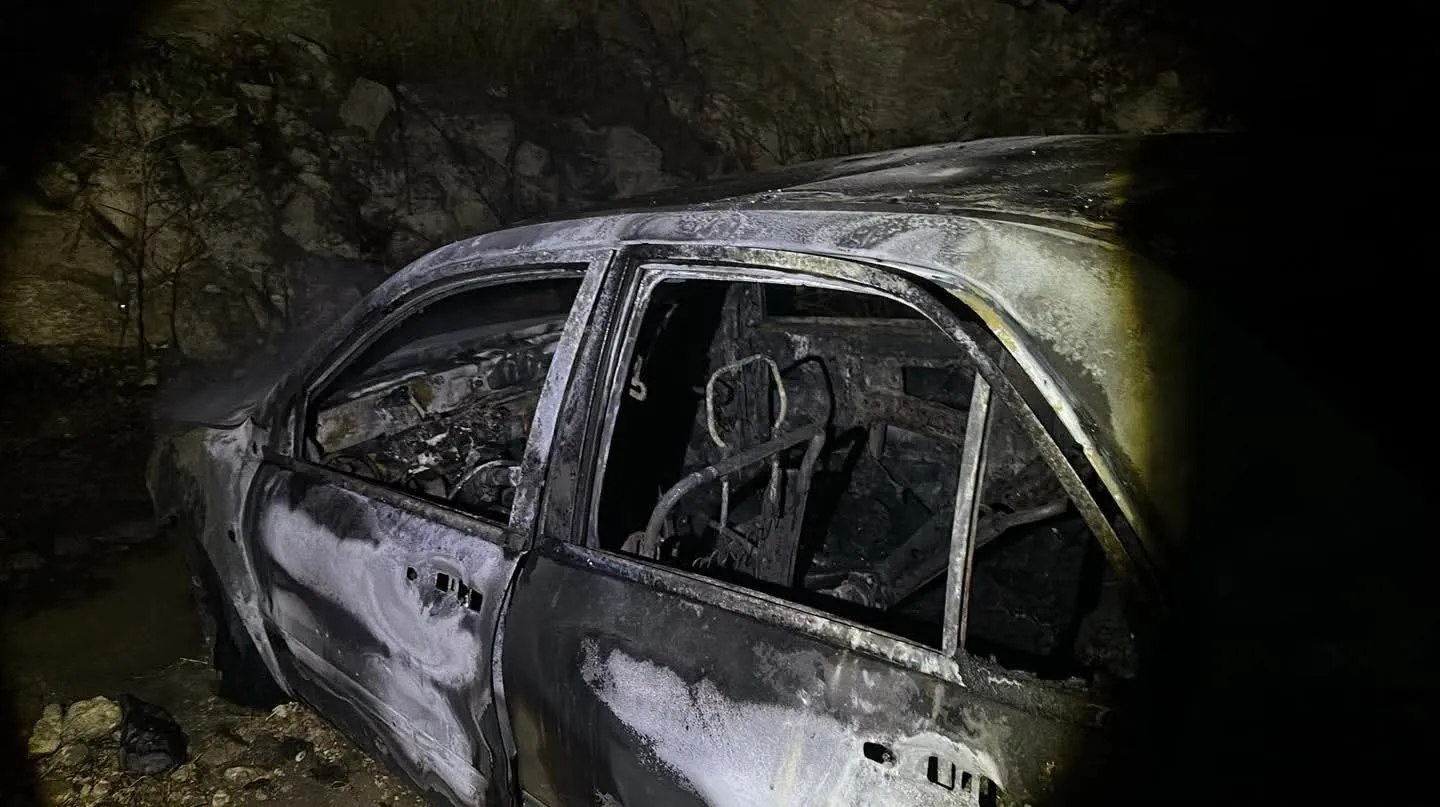
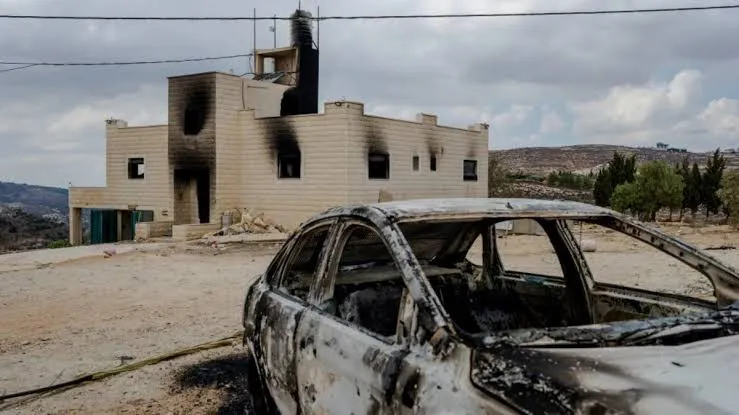
This comes as Israel has been facing increasing international pressure over intensifying settler violence in the occupied West Bank, its rapid expansion of settlements in the territory and the Gaza genocide.
Foreign Minister Penny Wong told the Senate last week that Australia would not be taking the same action as the UK, saying the government was instead "pursuing further targeted measures in coordination with international partners to deter illegal settlements and settler violence".
In June, Australia joined the UK, Canada, France and Norway in coordinated sanctions against Israeli networks involved in financing, enabling and carrying out violence in the Israeli-occupied West Bank.
At the time, in a statement, Australia said it stood "ready to take more action if the Government of Israel does not take urgent steps to address the situation on the ground".
The Greens senator Mehreen Faruqi challenged Wong to say if she agreed with Miliband that ethnic cleansing of Palestinians was taking place in the West Bank.
Instead Wong said Australia had “sanctioned Israeli extremists for the abhorrent settler violence terrorising Palestinian communities”.