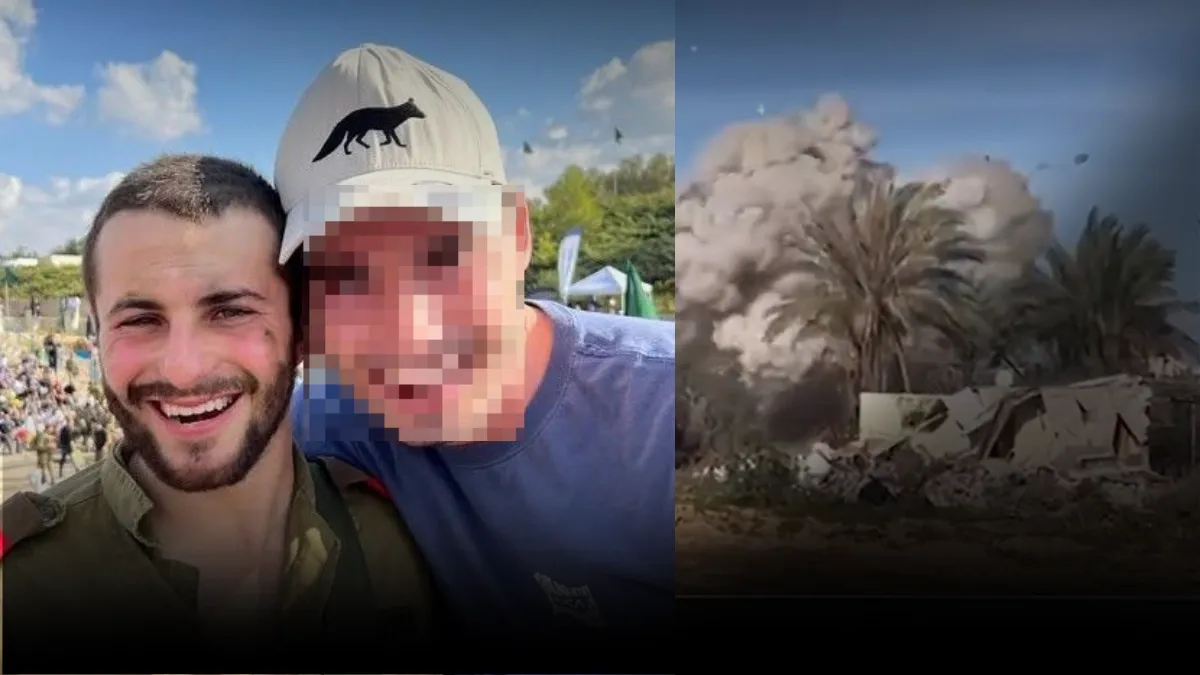
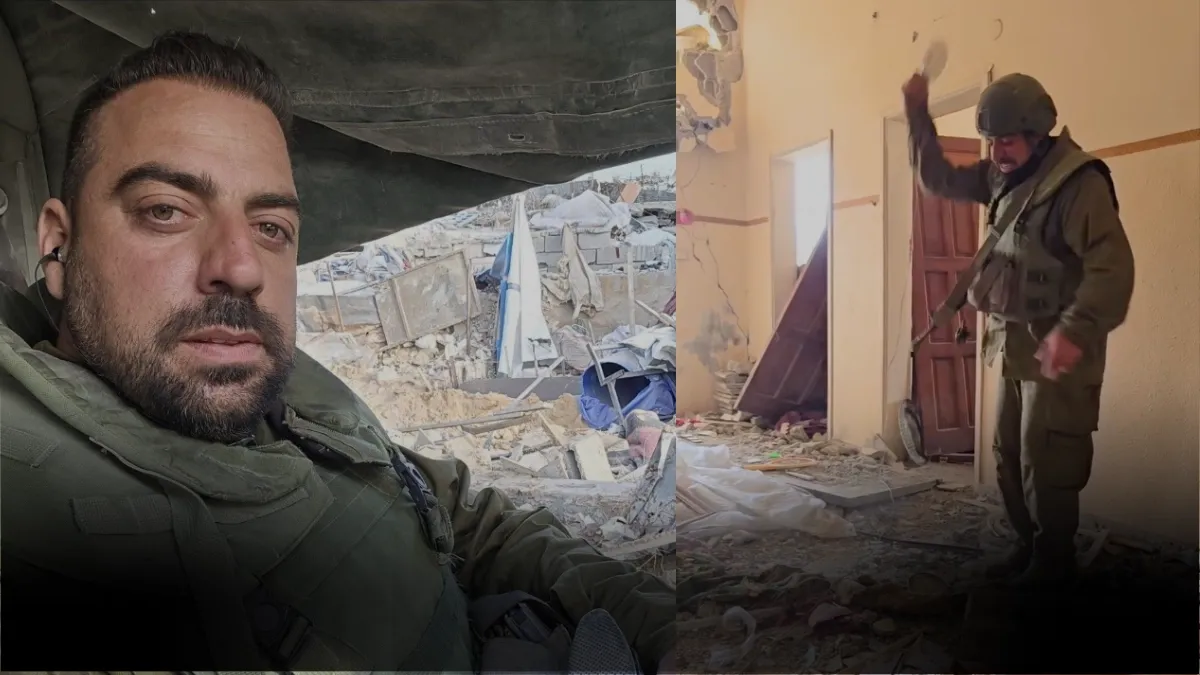
The Hind Rajab Foundation has filed a criminal complaint in Georgia against an Israeli demolition contractor accused of taking part in war crimes and genocide in Gaza, marking the first time the foundation has targeted a private contractor rather than a uniformed soldier, and widening the net of accountability to the businessmen who profited from erasing Palestinian life.
The complaint, filed with the Georgian Public Prosecutor's Office, names Sali Israel Hazut, owner of a demolition company, who is currently vacationing in the Georgian resort city of Batumi. The foundation documented Hazut's role as a civilian contractor hired by the Israeli army to operate the heavy machinery used to destroy Palestinian homes, schools, and infrastructure across the Gaza Strip, and called on Georgian authorities to investigate him and prevent him from leaving the country before he faces justice.
The case exposes a dimension of the genocide that has drawn less attention than the conduct of soldiers: the extensive outsourcing of Gaza's destruction to private companies. According to the foundation, from 2024 onward the Israeli Ministry of Defense recruited civilian operators to drive bulldozers and excavators under military supervision, a system that allowed the physical erasure of entire neighborhoods to be carried out by civilians paid for their labor. The demolition of Gaza, in other words, was turned into a business, with private contractors profiting from the leveling of Palestinian homes.
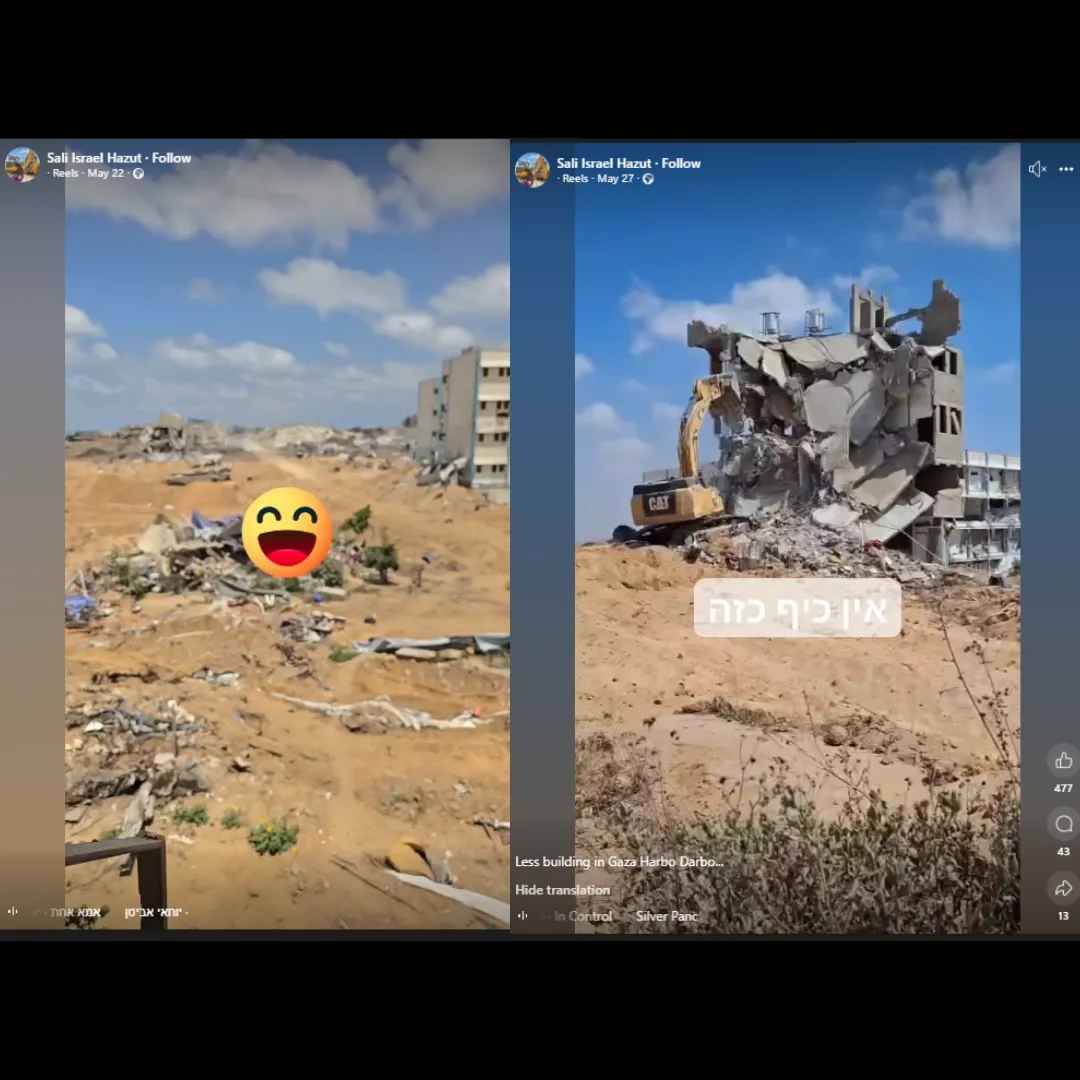
Hazut, the foundation says, is one such contractor, and he did not hide his work but broadcast it. Since May 2025, he documented his activities extensively on social media, posting videos of himself operating excavators to demolish residential buildings and other civilian structures in Jabalia, Beit Hanoun, Shujaiyya, al-Atatra, and Khan Younis. His posts, according to the foundation, include video montages commemorating the destruction of hundreds of buildings, footage filmed inside Palestinian homes as he destroyed household belongings, and a clip in which he mocked a resident who recognized his own home being razed. He boasted openly of the destruction he caused and of his months of what he called "non-stop action."
The foundation said Hazut's actions may constitute war crimes, including intentionally directing attacks against civilian objects, the extensive destruction of property not justified by military necessity, and deliberately attacking buildings dedicated to education, religion, and charity. It said the acts may also amount to genocide, arguing that the deliberate eradication of housing and civilian infrastructure inflicts on Palestinians conditions of life calculated to bring about their physical destruction, meeting the criteria set out in Article II(c) of the Genocide Convention.